
Contemporaries about Komitas
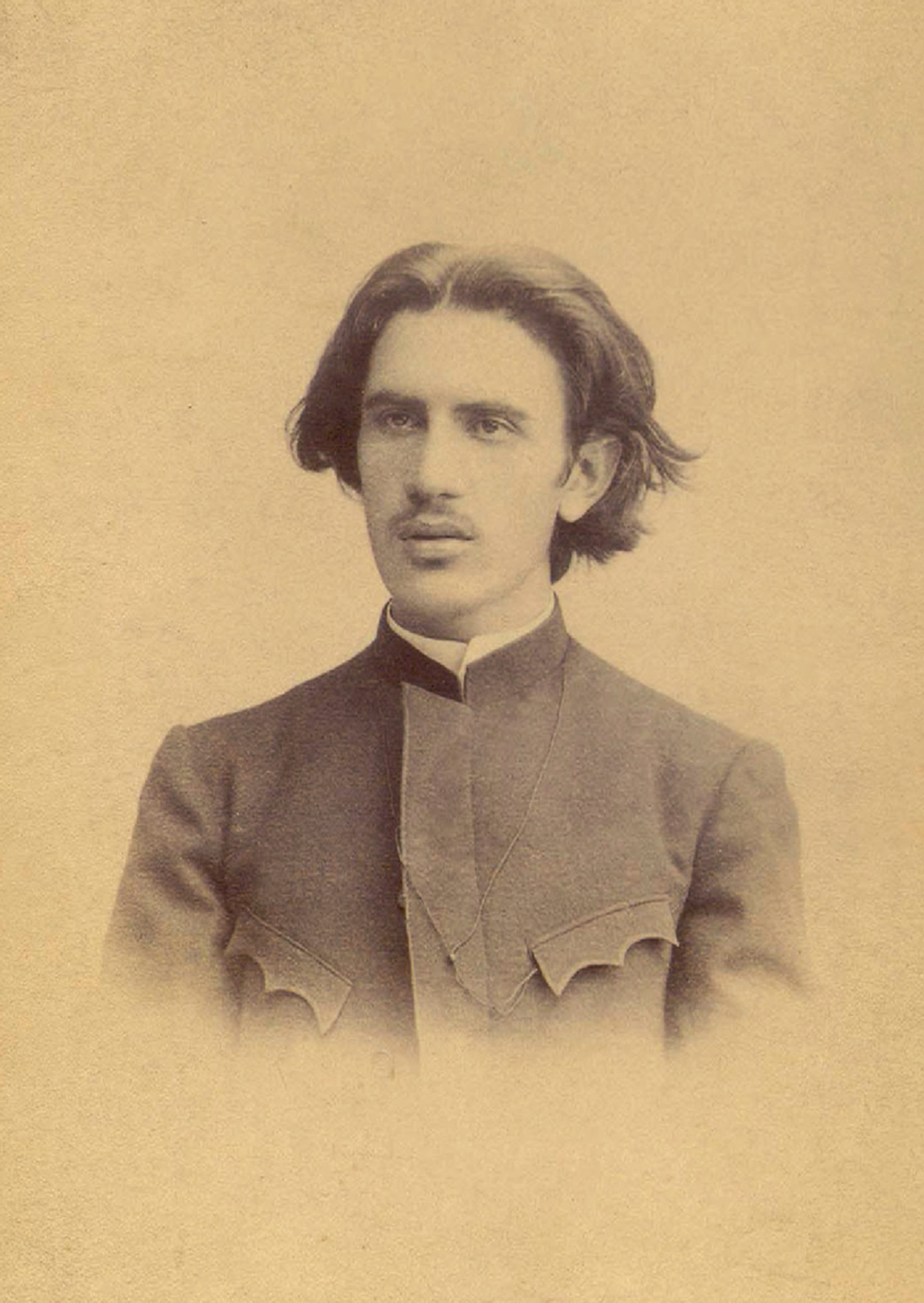

He lived in one of the old monastery monk cells, in a room on the second floor. Even though the room was decorated with the rugs and paintings, but the artist himself lived, let’s say, in a Spartan lifestyle: he was content and abstemious in eating, didn’t consume alcohol and didn’t smoke. Both in spring and in winter times, he slept with the window open, and, most importantly, he laid directly on the floor without a mattress and pillow. He was very neat in notation, wrote on the paper lined by him so beautifully that it was simply possible to prepare cliché from his manuscripts.
Garegin Levonian
littérateur, art critic
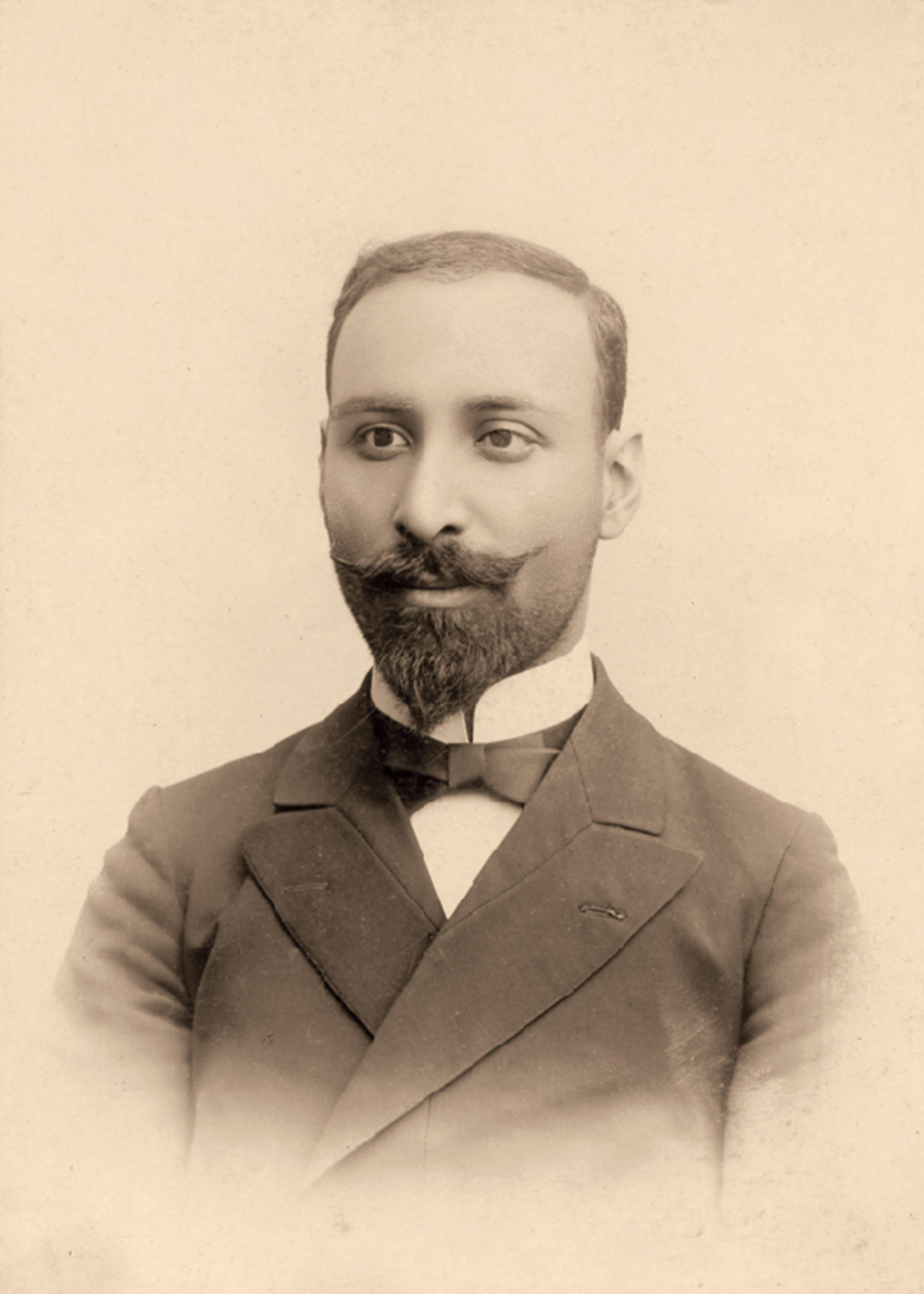
Komitas was a deep ocean of exceptional human virtue. He was very diligent, strong willed, sincere, kind hearted, friendly, nice and modest to everyone. He was a puritan and a great patriot. Besides his musical talent, he had also other abilities: he was a poet and a comedian actor, famous to us as farce. Komitas was highly witty, cheerful and prompt and beloved among both adults and juniors of the Seminary. Komitas had unique delightful voice and enjoyed Khrimyan Hayrik’s [Mkrtich Khrimyan, former Catholicos of All Armenians] private sympathy. Following Khirmyan Hayrik’s instruction, Komitas led the church choir on religious holidays and took the responsibility for the psalm songs sung from the altar and the gospel readings. He was a famous folk dancer among the teachers of the Seminary. The male bold, imposing sways and dances with heavy swings and fighting swords up to the dances of rustic women will remain unforgettable forever with their familiar voice melodies and the gentle movements of body and hands.
Hrachya Adjarian
Armenian linguist
For teaching a song, he strived to explain the content of material in every comprehensive way. For instance, if he was to teach Horovel song, he commenced with analyzing that song and depicting the situation of peasant, … who shared his sufferings with the ox and begged him that he would help him plow, reap, thrash and return debts to lender. After a comprehensive explanation of the song content, Komitas approached to the piano, played and sang in a gentle voice.
Varsham Parsadanyan
Komitas’s Seminary pupil
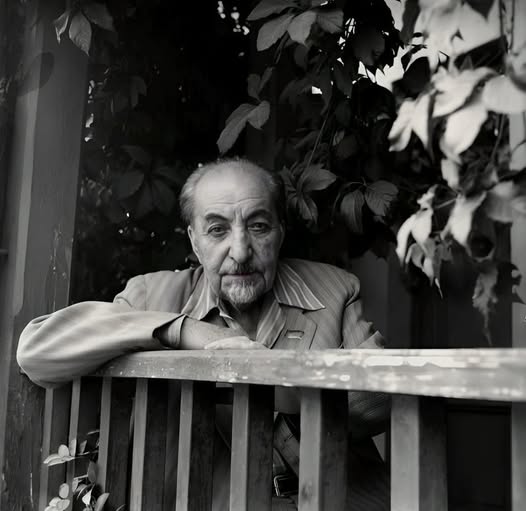
Komitas is the pride of our people, and his work is our inexhaustible national treasure. He discovered our national song, Armenian music, the national melos – independent and pure. There were people, both Armenians and foreigners, who insisted that the Armenian people had no national music, that its songs were merely imitations of European, Turkish, or Kurdish music. Through tireless work, through the power of his genius and his remarkable intuition, Komitas proved the opposite. He proved the independent existence of Armenian music – arising from the soul of the Armenian people and reaching us through the centuries. He turned to the very source of Armenian song – to the songs of the Armenian peasant, the villager, the working people. He mingled with the people who created these songs, merged with them, and understood with his heart that the style of Armenian style was hidden within those folk songs. It was only necessary to cleanse them of the foreign rust and unnecessary ornaments that had distorted Armenian song. And he showed the world our national music – purified, independent, and uncorrupted.
Avetik Isahakyan
poet