

Contemporaries about Komitas
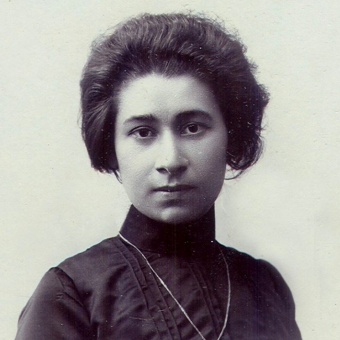

It was November 1905 in Paris. Together with Komitas we were fervently preparing for a great Armenian concert. At last the evening of December 1 arrived. The large hall of the Salle des Agriculteurs was filled from end to end. Komitas was standing only by sheer nervous strength – he was so exhausted from the preceding work and rehearsals. His voice was so strained that my close friends and I trembled, wondering how he would overcome such terrible physical fatigue. Then the moment arrived. The Vardapet, in solemn and majestic attire, approached the small organ and accompanying himself began softly (pianissimo) the hymn “Tiramayr” (Mother of God). The entire audience seemed to have fallen silent; people seemed to be holding their breath so that they could better grasp the sublime melody of our nation’s centuries-old supplication filled with unspeakable sorrow. The impression was indescribable. Later, many renowned Parisian musicians and singers told me that never in their lives had they experienced such profound musical emotion.
Margarit Babaian
singer
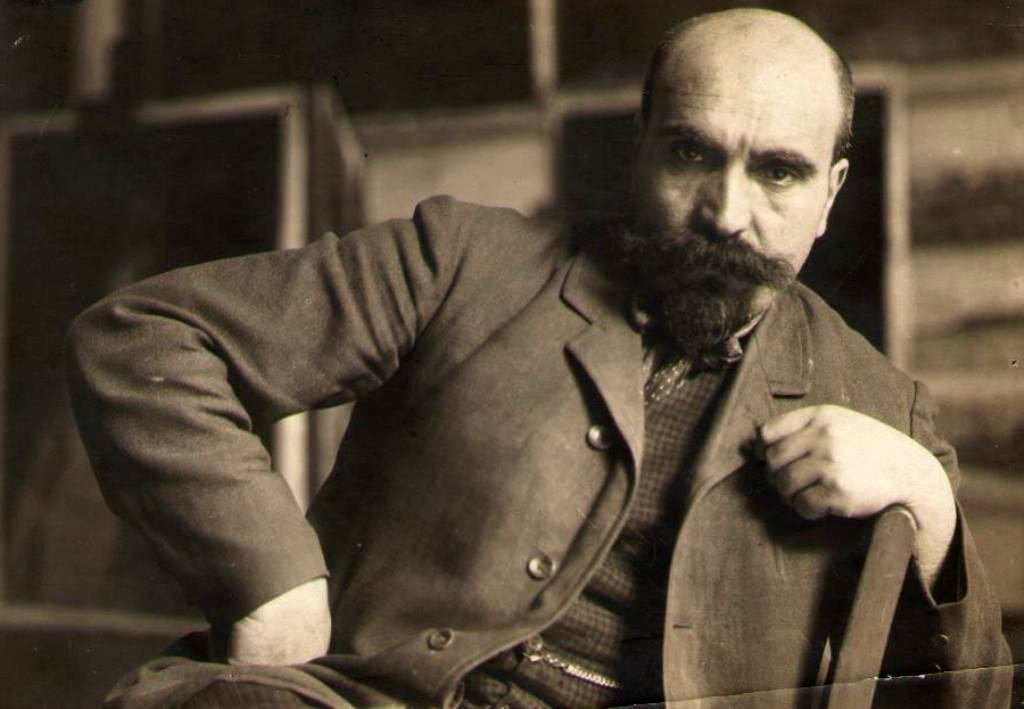
Komitas formed a choir of three hundred singers, half of whom were women. Within about six weeks he taught them to sing. Among the members of that choir there were some who were unfamiliar even with the alphabet of music. Being very strong both from the standpoint of scholarship and of the art of leadership, and with his exceptionally cheerful nature, he ignited in his students a love for emotionally expressive music and filled their souls with refined and ennobling art. Within six months of his concerts, the people of Constantinople and its surroundings began passionately singing Armenian peasant songs. It can boldly be said that until then the crude and vulgar songs that had been sung were driven out of use. From the standpoint of cultural development, this was a tremendous success.
Panos Terlemezyan
artist
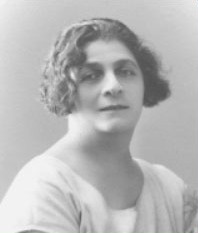
My sister, Araxi Mesropyan, who at that time was associated with the Nikoghosyan School as a kindergarten adviser, used to recount that on kindergarten class days Komitas was always in a very cheerful mood. He would always arrive before the free period of the lesson, and taking advantage of the children’s playtime outdoors, he would gather them around him and sing and dance with them. When they entered the classroom afterwards, those children were no longer the mischievous and unruly pupils of the previous lessons – they seemed like entirely different children. It was enough for Komitas to say, “Attention, children,” and they would follow each of his instructions as if magnetized. Komitas considered a cheerful disposition to be the essential precondition for the intellectual and emotional development of children. And in order to awaken such a mood in them, he possessed all the natural and methodological qualities required.
Aghavni Mesropyan
pianist
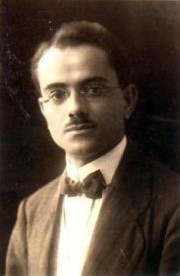
He was unique not only in all the fields of his multifaceted musical talent but also in the art of conducting. One of his fundamental principles was to have the text, the song, the rules of singing, the nuances, accents, breathing, and every detail learned by heart. He would not forget to clarify the meaning of the original text beforehand, to explain the circumstances of the song’s creation and development, as well as the relationship between the words and the melody – all seasoned with his delightful gift for storytelling and wit. Komitas standing in the middle of the stage was a vision: standing upon a small platform, wearing a velvet cap on his head, elegant and slender, in a cassock reaching down to his feet. In his hand he held only a small pitch pipe. He stood almost motionless, and his hand movements were restrained and economical. Yet an invisible force, a kind of whirlwind, seemed to flow from his entire being – from his eyes, his facial expressions, his lips, his hands, and the tips of his fingers. In a word, he was a superhuman figure – truly so, not merely in appearance.
Wardan Sarxian
composer, conductor